
Egocentric and SLAM training data from where the work actually happens
Egocentric and spatial data, captured across real factory and retail environments, structured for how Physical AI teams actually use it.
Egocentric data: first-person, task-level video
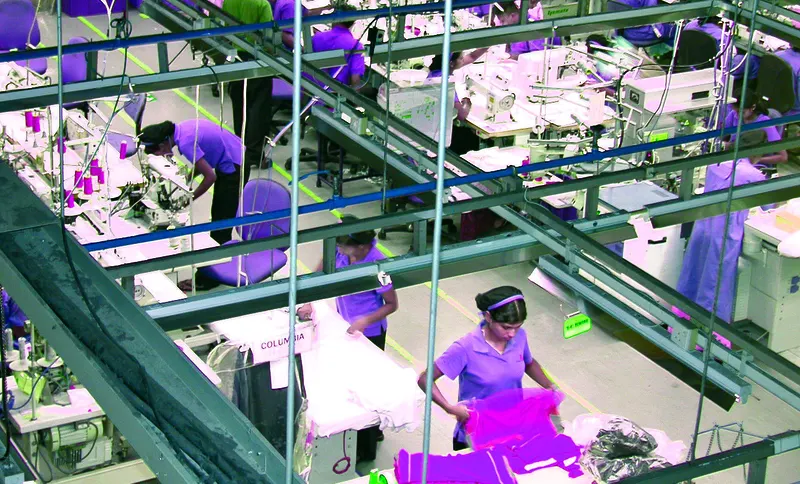
Captured via head- or body-worn cameras on real factory and retail workers performing their actual jobs, not staged demonstrations. This preserves the signals third-person footage loses: hand position, object contact points, natural gaze behaviour, and the fine motor sequences involved in tool use and manipulation.
Use cases
- Imitation learning and visuomotor policy training
- Manipulation and tool-use benchmarking
- Human-to-robot skill transfer
- Foundation model pretraining at scale
Spatial / SLAM data: real indoor environments, mapped and navigated
Retail floors and factory lines are exactly the kind of space SLAM struggles to get good data from: dynamic, cluttered, GPS-denied, and usually private property. We already have camera and wireless-positioning infrastructure live in these spaces, which means real navigation-relevant data from environments most providers can only simulate.
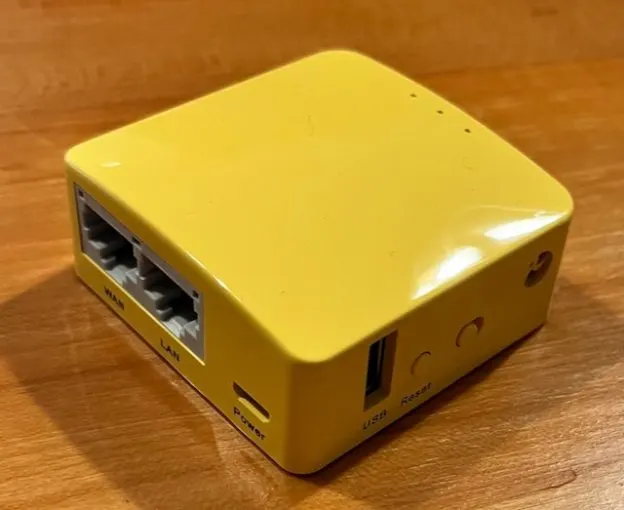
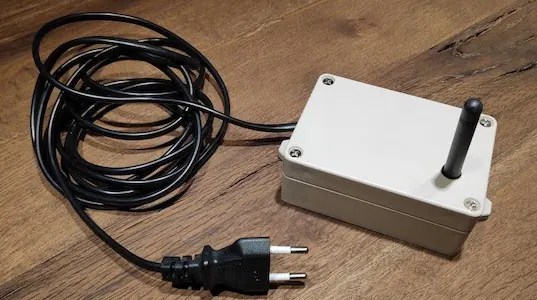
Our wireless positioning data comes from Wi-Fi people-counting sensors: tcpdump on OpenWRT routers in our retail deployments.
- Available today
- Camera and wireless-positioning data
- In progress
- Fused camera + positioning datasets
- On our roadmap
- IMU and depth capture
Use cases
- Sim-to-real gap closing for indoor deployment
- Indoor navigation and localization for service and mobile robots
- SLAM algorithm benchmarking in real, dynamic conditions
- Fleet-scale autonomous mobile robot (AMR) training for warehousing and logistics
Sensor fusion: combining computer vision and wireless sensor data
Status: in progress.
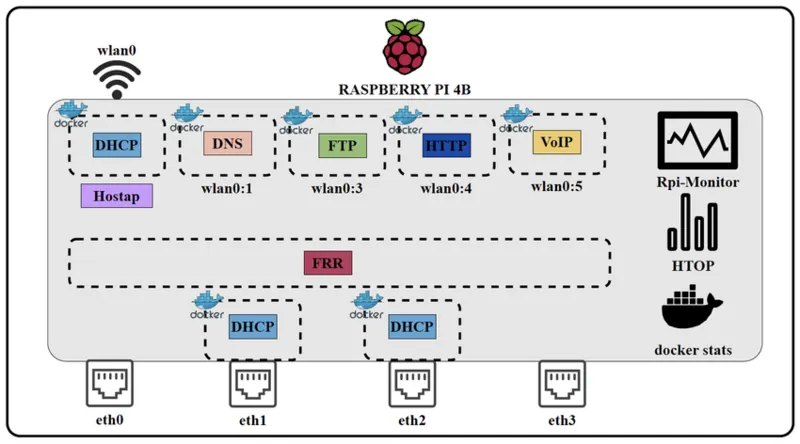
Our retail analytics partner network already fuses camera and wireless people-counting data for footfall and heatmap analytics. We are extending that same fused pipeline to produce multimodal datasets for robotics: camera plus positioning data captured from the same physical space, at the same time.
Infrastructure first, data second
Most data providers are building the physical layer from zero. We are repointing infrastructure that already exists.
The infrastructure advantage
Camera-based retail analytics (footfall, heatmaps, customer journey) is already running across 4,000+ stores through our partner network. Wireless people-counting sensors are live in 500 of those stores. We have 1,000+ cars across 100+ car fleets.
That is not a plan for future deployment. It is operating infrastructure we are extending to serve a second purpose: structured training data for Physical AI, collected under the consent and redaction process in our code of conduct.
Feet on the street
Alongside it, we have an operations network built for running large-scale physical rollouts: the kind of capability that turns a data-collection plan into thousands of actual capture sessions.
Variation is the sine qua non of good training data
Most egocentric datasets available today come from a narrow set of environments: homes, kitchens, or a small number of factories concentrated in one region. Physical AI teams training general-purpose models need more variation than that: different facility layouts, different tasks, different populations, different lighting and conditions.
India's manufacturing and organized retail sector offers scale and diversity that is underrepresented in most existing datasets, and we are building the pipeline to turn that into usable, structured training data.
Questions robotics teams ask us
What is egocentric data?
First-person video captured from head- or body-worn cameras on someone doing a real task. It keeps hand position, object contact points, gaze and fine motor sequences that third-person footage misses.
Where is the data collected?
On real factory and retail floors in India, through our partners' camera analytics running in 4,000+ retail stores, wireless people-counting sensors in 500 of those stores, and 100+ car fleets with 1,000+ cars.
Which sensors are available today?
Camera and wireless-positioning data (Wi-Fi people counting on OpenWRT routers) today. IMU and depth capture are on our roadmap, and fused camera-plus-positioning datasets are in progress.
How does a project start?
With a scoping call: you tell us the task, environment and format. We collect and deliver a small pilot dataset against your spec, then scale collection across our site network once you have validated it.
How do you handle privacy and consent?
Every site operates under a clear worker and customer consent process. PII redaction is built into the capture pipeline, and full audit trails are available on request.
Stop training on incomplete signals
VoltQ helps Physical AI and robotics companies access real-world, multimodal human and industrial environments for training and evaluating embodied AI.