For embodied AI, Physical AI & robotics teams
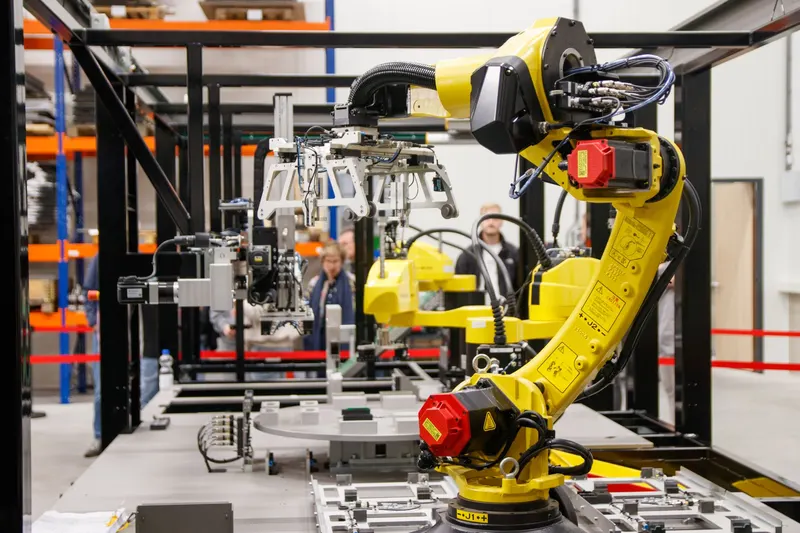
Real factory floors. Real retail stores. Real car-fleets. Camera and sensor infrastructure already live.
VoltQ turns live camera and sensor infrastructure across 4,000+ real-world sites into structured training data for embodied AI, Physical AI, and robotics teams building for the physical world.
VoltQ builds access to real-world environments, people, factories and retail spaces to help Physical AI and robotics companies develop the next generation of intelligent machines.
Data from the real world. For machines that operate in the real world.
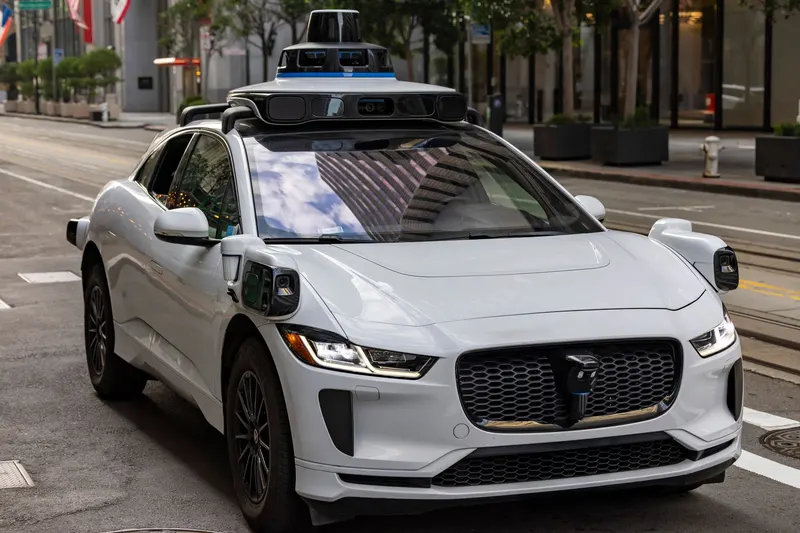
4,000+ retail stores with live camera analytics. 500+ stores with wireless sensors. 100+ Car-fleets. Operations network for large-scale physical rollouts
Spatial / SLAM Multi-sensor data from real indoor commercial environments — dynamic,
cluttered, GPS-denied spaces that mirror exactly where mobile and service robots will need to
operate. Camera and wireless-positioning data today, with IMU and depth capture on our
roadmap.
The problem with most training data: Third-person video shows the scene. It misses the task
Robots trained on third-person footage learn to recognize actions from the outside.
They miss the hand closing around a tool, the exact contact point, where the eyes moved a
half-second before the grip — the signals that separate a model that recognizes a task from one that can perform it.
That’s why egocentric data — captured from the first-person view of someone actually doing the work — has become a default input for training Physical AI. And why spatial data from real, dynamic, GPS-denied environments is just as scarce for the navigation side of the same problem.
Two data types, One physical footprint
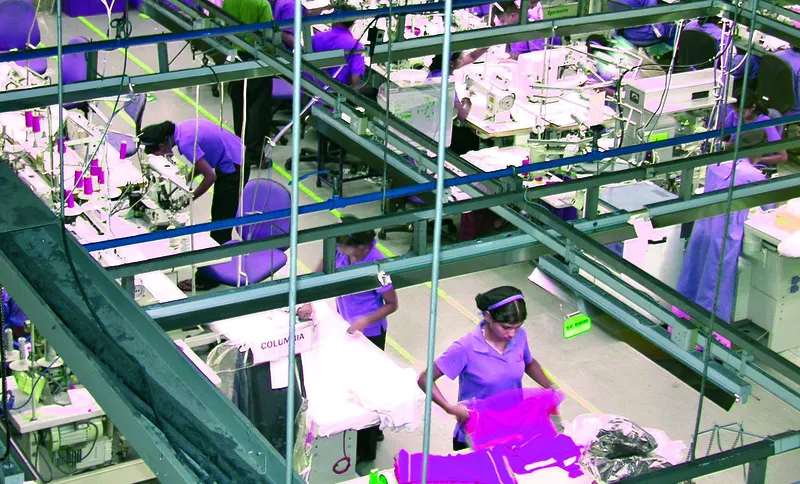
Egocentric First-person task video from real factory and retail workers — hand-object interaction, tool use, assembly, stocking, packing, customer-facing tasks. Captured where the work actually happens, not staged for a camera.
Spatial / SLAM Multi-sensor data from real indoor commercial environments — dynamic, cluttered, GPS-denied spaces that mirror exactly where mobile and service robots will need to operate. Camera and wireless-positioning data today, with IMU and depth capture on our roadmap.
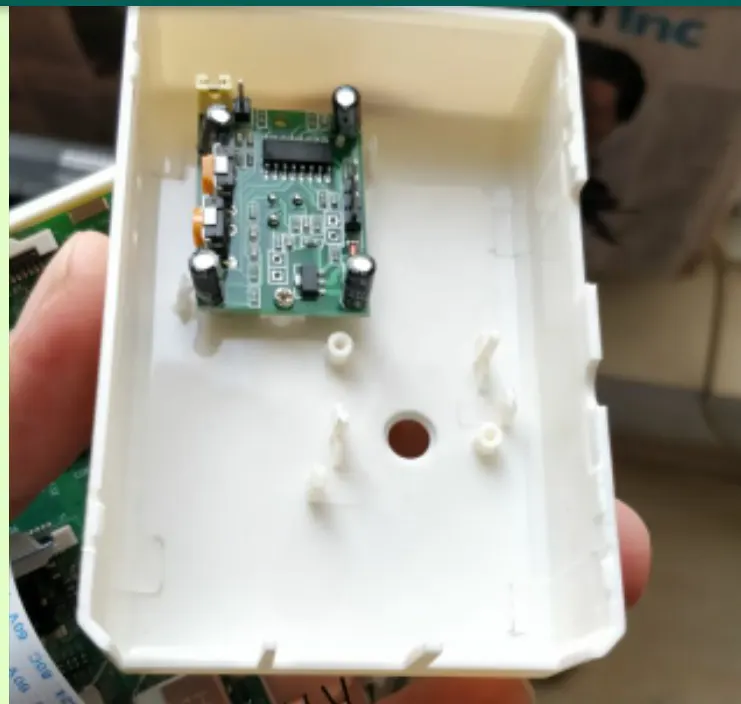
VoltQ: via our CCTV Video Analytics & Wireless Sensor analytics partners - we already have sensor data infrastructure in place
Most egocentric and SLAM data providers start by building capture infrastructure from scratch — hardware, site access, a field workforce. We’re starting from a different position:
camera-based analytics already running across 4,000+ retail stores, wireless positioning sensors live in 500 more, and an operations network built for running physical rollouts at scale.
India’s factory and retail floors are also some of the most varied working environments anywhere — different layouts, tasks, lighting, and demographics than the home- and labcollected datasets most physical AI teams are training on today
From scoping call to delivered dataset:
1. Scoping call — You tell us the task, environment, and format you need.
2. Pilot dataset — We collect and deliver a small sample against your spec.
3. Full collection — Once validated, we scale collection across our site network.
4. Delivery & support — Structured delivery with documentation and an ongoing feedback loop.
Digital Privacy & consent, first
Every site we collect from operates under a clear worker and customer consent process, with PII redaction built into the capture pipeline and full audit trails on request. Data collection at this scale only works if it’s done right — that’s a floor for us, not a feature.
Team associations

Raghav Wahi is a proud third generation, graduate of IIT BHU Varanasi 2007 in Metallurgical engineering & material Science.
Academia & Industry

Prof Robert Linhardt & Prof Shreefal Mehta at the Biotechnology building in RPI, Troy, New York State
Quick Links
Get In Touch
- Email: raghav@voltq.com